Reflect on the Poem
The Guy in the Glass
by Dale Wimbrow (1934)
When you get what you want in your struggle for pelf,*
And the world makes you King for a day,
Then go to the mirror and look at yourself,
And see what that guy has to say.
For it isnʼt your Father, or Mother, or Wife,
Who judgment upon you must pass.
The feller whose verdict counts most in your life
Is the guy staring back from the glass.
Heʼs the feller to please, never mind all the rest,
For heʼs with you clear up to the end,
And youʼve passed your most dangerous, difficult test
If the guy in the glass is your friend.
You may be like Jack Horner and “chisel” a plum,**
And think youʼre a wonderful guy,
But the man in the glass says youʼre only a bum
If you canʼt look him straight in the eye.
You can fool the whole world down the pathway of years,
And get pats on the back as you pass,
But your final reward will be heartaches and tears
If youʼve cheated the guy in the glass.
A note on the poem
Dale Wimbrow wrote The Guy in the Glass in response to a young man wrestling with a financial and moral dilemma: how far to go, what to compromise, and what it might cost him to succeed.
*Pelf refers to money, status, or material gain, especially when it’s pursued at the expense of integrity. It’s not wealth itself that’s the issue, but the kind that costs you your truth: the deals you make, the corners you cut, and the ways you betray yourself just to get ahead. Back to the poem
**The poem echoes the nursery rhyme “Little Jack Horner,” who “sat in a corner, eating his Christmas pie… put in his thumb and pulled out a plum, and said, ‘What a good boy am I.’” It points to the same temptation: to reward ourselves, justify ourselves, and declare ourselves “good” based on what we gain, while ignoring who we are becoming. Back to the poem
Listen to the audiobook
The audiobook for The Guy in the Glass is up on SoundCloud, and it’s complimentary.
Listen on SoundCloud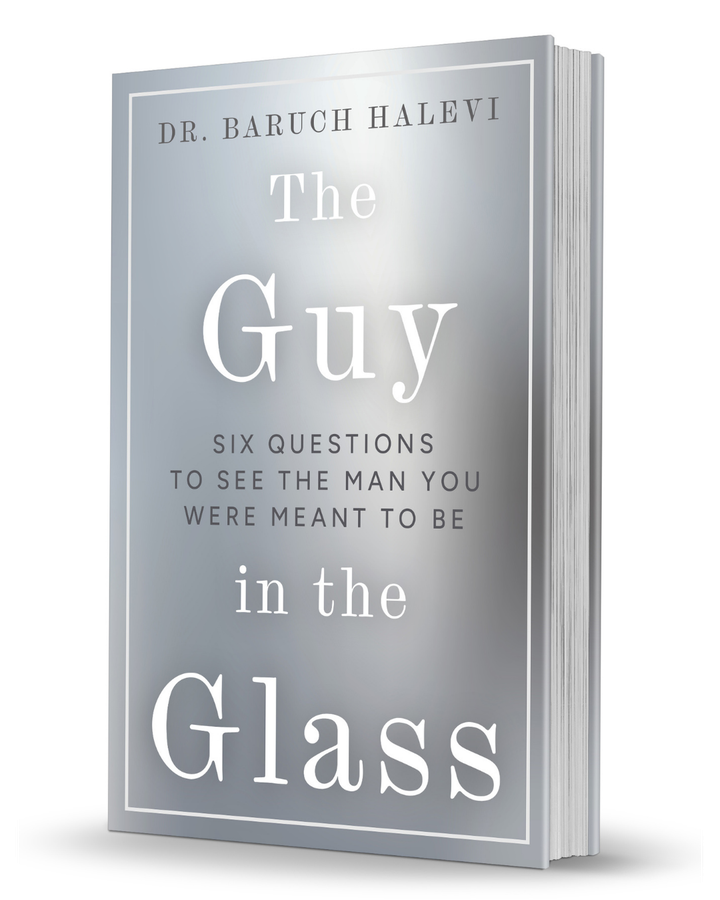

How do I actually work with this book?
Through the companion workbook.